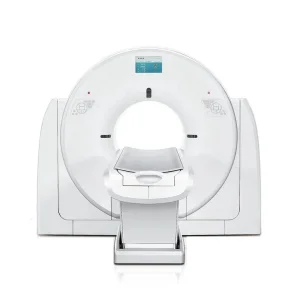
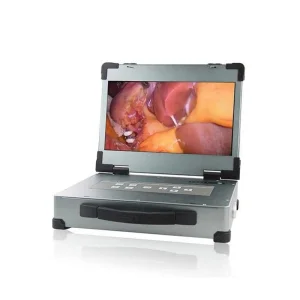
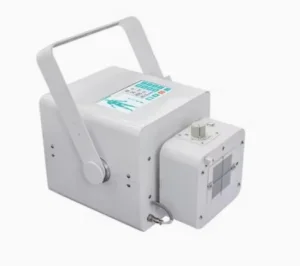
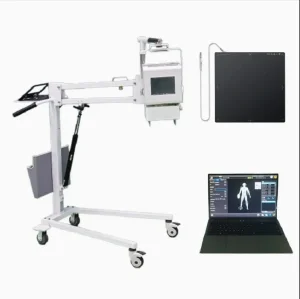
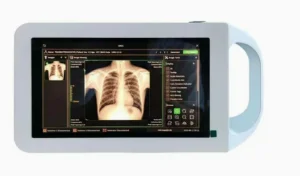
Advancing diagnostic capacities across clinical, dental, and surgical fields through high-frequency radiographic systems, endoscope modules, and rugged imaging tech optimized for the Mozambican infrastructure landscape.
Pre-configured configurations engineered to meet the diagnostic requirements of regional centers and mobile field clinics in Mozambique.
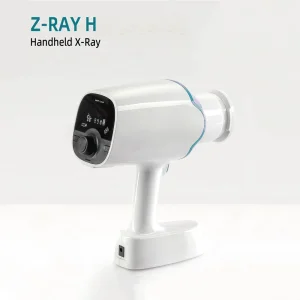
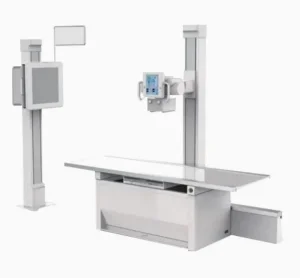
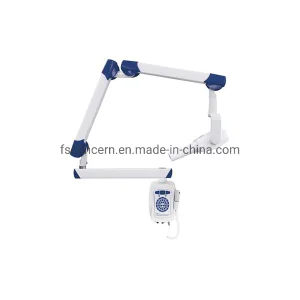
The healthcare system in Mozambique is undergoing a structural digital migration. Driven by initiatives from the Ministry of Health (Ministério da Saúde - MISAU) alongside investments in private clinics in Maputo, Matola, and Beira, there is a clear demand shift from traditional analog diagnostic configurations to digitized imaging platforms. Diagnostic medical imaging equipment serves as the cornerstone of early disease detection—particularly for pulmonary complications, tuberculosis, cardiovascular tracking, and maxillofacial interventions.
However, importing medical imaging systems into East Africa involves addressing unique environmental and logistics challenges:
For these reasons, modern diagnostic developers in Mozambique are seeking direct partnerships with established OEM/ODM manufacturers capable of supplying durable imaging modules designed to operate reliably under variable local conditions.
At the international level, medical diagnostics are experiencing a transition toward point-of-care testing (POCT) and AI-assisted clinical decisions. Direct Digital Radiography (DDR) has rendered film-based imaging a fallback modality, prioritizing real-time DICOM image generation, transfer via PACS (Picture Archiving and Communication System), and cloud-connected remote diagnosis.
Modern X-ray modules utilize high-frequency (typically 40kHz to 100kHz+) monoblocks. By producing a near-constant potential waveform, these modules yield higher quality radiographs with shorter exposure times, reducing patient radiation dosage. This is crucial for pediatric wards and heavy-workload clinical centers.
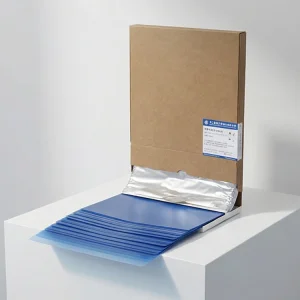
The transition from CCD cameras and CR (Computed Radiography) cassettes to amorphous Silicon (a-Si) and CMOS flat panel detectors provides high spatial resolution and DQE (Detective Quantum Efficiency). This allows physicians to visualize structural details with reduced noise levels, supporting diagnostic accuracy in pulmonology and skeletal pathology.
| Technology Spec | Legacy Systems | Advanced Modules (Standard Output) | Mozambique Clinical Applicability |
|---|---|---|---|
| Generator Output | Low Frequency (Analog) | High Frequency (30-50kW Monoblock) | Compensates for minor voltage fluctuations; stable exposure. |
| Detector Type | CR Cassette / Film Reader | Direct Digital (a-Si / CMOS FPD) | Instant digital image processing, eliminating chemical developer steps. |
| Data Protocol | Proprietary Format | DICOM 3.0 / HL7 Compliant | Enables remote medical diagnostics between Maputo and rural clinics. |
| Power Demand | Continuous High Power Draw | Integrated Battery / Low Draw System | Highly suitable for remote clinical trailers and field operations. |
Dongguan TC MediGroup Co., Ltd. is a professional manufacturer specializing in surgical robot instruments and minimally invasive surgical solutions, serving advanced healthcare institutions worldwide. The company focuses on delivering high-precision, reliable, and innovative medical devices designed to support modern robotic-assisted surgeries and improve clinical outcomes.
TC MediGroup provides a comprehensive range of solutions, including robotic surgical instruments, minimally invasive surgical toolsets, endoscopic-compatible components, precision micro-surgical parts, and advanced operating system accessories. These products are engineered to enhance surgical accuracy, reduce patient trauma, and support faster recovery in complex medical procedures.
Backed by strong R&D capabilities and advanced manufacturing technology, Dongguan TC MediGroup integrates precision engineering, ergonomic design, and high-performance materials into every product. The company maintains strict quality control standards and complies with international medical regulations to ensure safety, durability, and consistent performance.
With a commitment to innovation and global healthcare advancement, TC MediGroup offers flexible OEM/ODM services tailored to diverse clinical requirements. Through continuous technological development and customer-focused solutions, the company aims to support hospitals and surgical centers worldwide in upgrading to next-generation robotic and minimally invasive surgical systems.
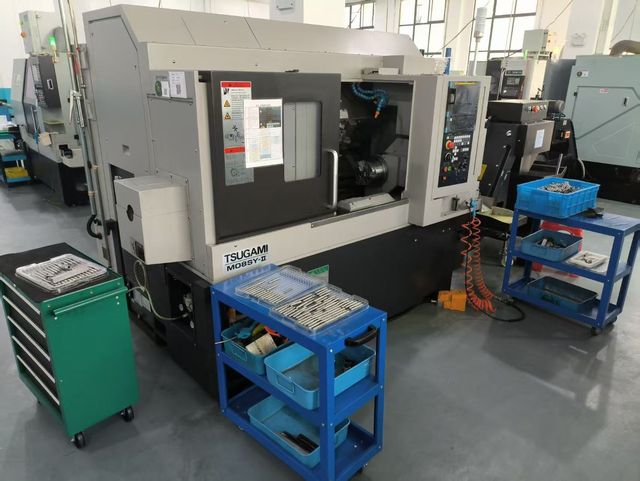
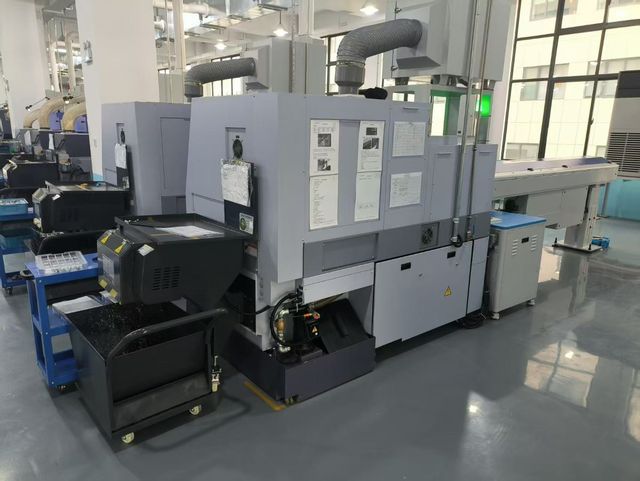
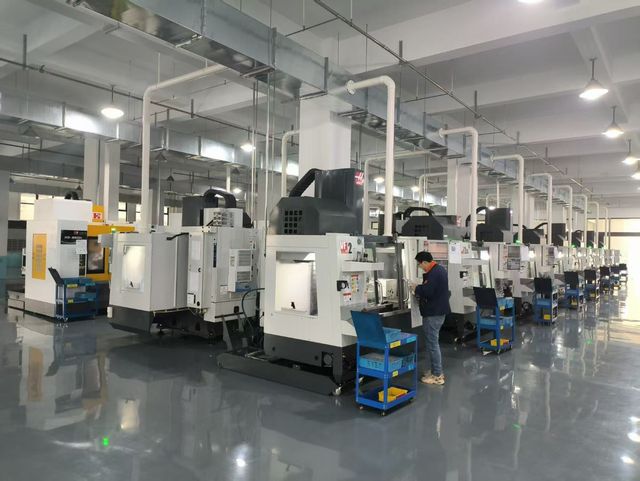
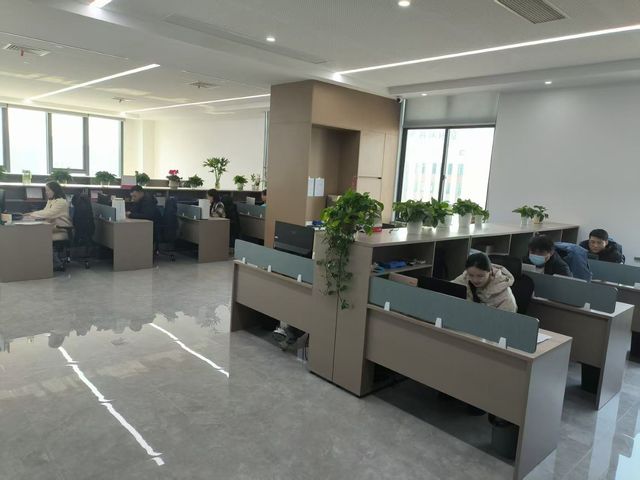
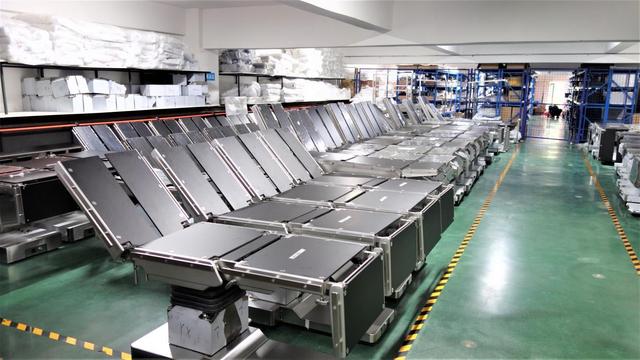
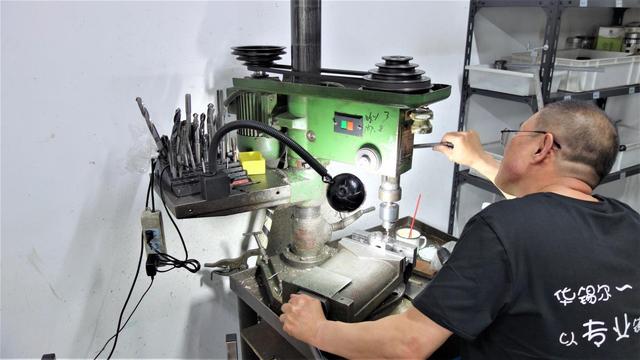
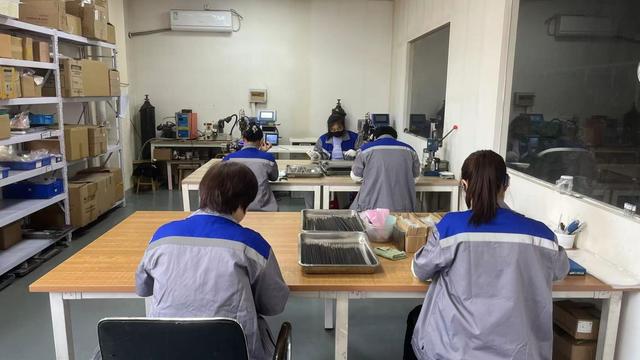
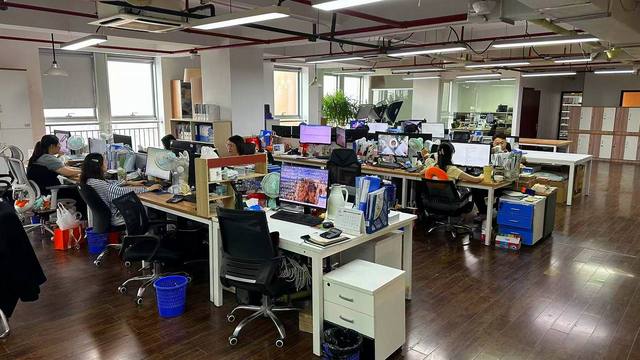
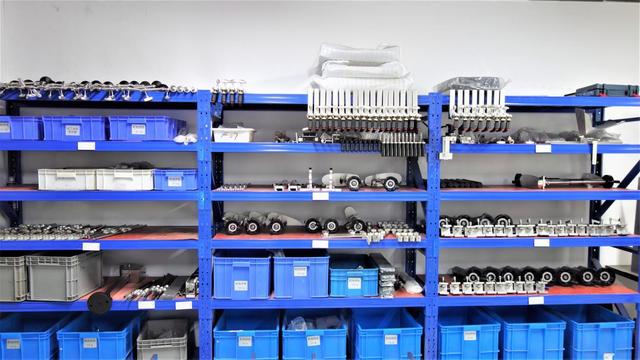
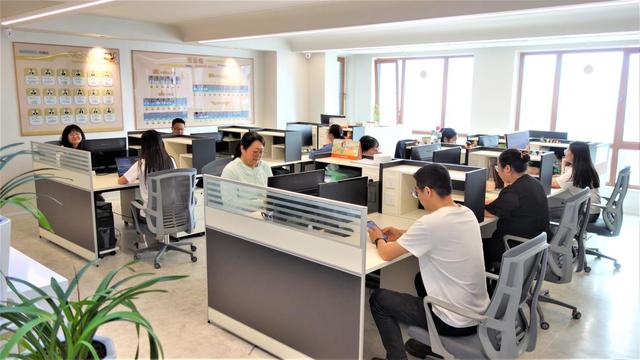
To support global supply chains, our factory utilizes high-grade dust-free cleanrooms, robotic testing systems, and high-precision quality control units. Below is a showcase of our production environment and product lines:
To implement digital medical diagnostics, it is essential to map technological configurations to specific clinical environments in Mozambique:
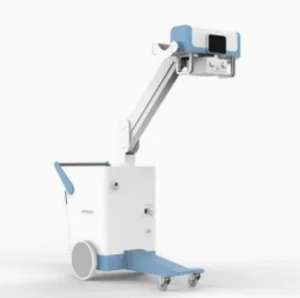
In regions where power grids are inconsistent, static diagnostic machinery is not viable. Portable, lightweight high-frequency X-ray modules integrated with battery backs enable healthcare workers to conduct chest and trauma screenings in remote locations, transfer the data via regional networks, and obtain remote diagnostic support.
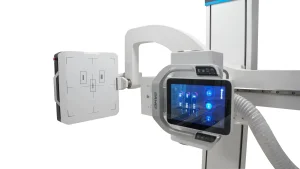
Central hospitals require high patient throughput capacity. Digital Radiography (DR) configurations featuring dual upright stands allow clinical staff to process patient diagnostics rapidly, with digital files sent directly to the local network to optimize radiologist workflow.
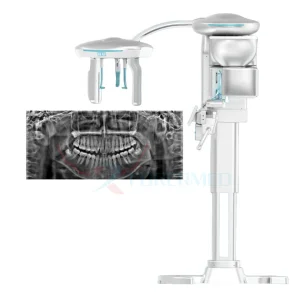
The growth of dental clinics in Maputo and Matola drives demand for space-efficient imaging solutions. Wall-mounted and portable dental X-ray modules provide localized diagnostic imaging for root canal therapy, orthognathic planning, and implantology without requiring dedicated, large lead-shielded rooms.
High-power imaging configurations designed to support specialized clinical diagnostics and radiological screening operations.
Deploying medical devices in Mozambique requires adherence to regulatory processes managed by MISAU. This involves providing clear technical dossiers, safety certifications (e.g., CE, ISO 13485), and demonstrating radiological safety control compliance.
Our imaging hardware is designed to withstand tropical operating environments:
To support system uptime, we provide direct training resources and schematics to local clinical engineering teams, facilitating maintenance, diagnostic checks, and component replacements.
Diagnostic technologies are moving toward cloud-integrated systems with reduced radiation output. Our product development focus centers on three key areas:
Integrating machine learning filters directly into the sensor array outputs, enabling clear imagery with up to 40% lower radiation dose.
Developing wireless-native modules capable of transmitting high-resolution DICOM packets directly to local mobile devices via local networks without requiring internet access.
Integrating battery management systems (BMS) into digital radiography units, enabling operation for up to 8 hours without external grid power.
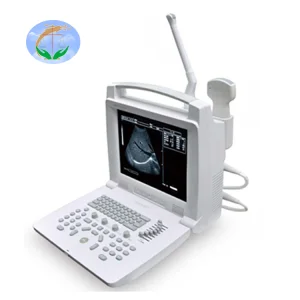
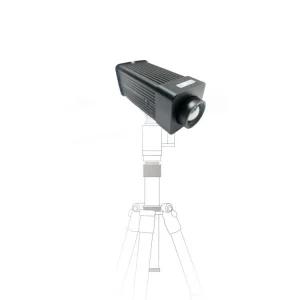
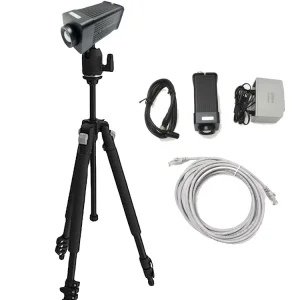
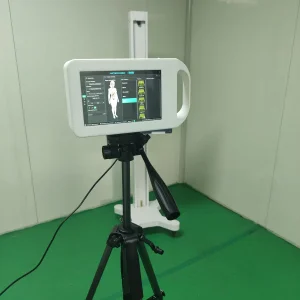
Engineered to support clinical diagnostic operations, endodontic imaging, and non-contact physiological scanning.
To import clinical systems, suppliers must provide ISO 13485 quality credentials and CE conformities. These documents must be submitted to the Ministry of Health (MISAU) to obtain import authorizations. All of our production processes adhere to these international standards to support compliant customs clearance.
Our portable high-frequency modules include integrated power conditioning boards and support direct lithium-battery operation. This design buffers sensitive diagnostic electronics from voltage surges and sags, ensuring stable x-ray output and component longevity.
Yes, all digital radiographic modules output files conforming to the DICOM 3.0 standard. This guarantees integration with existing clinic networks and enables image sharing across remote diagnostic systems.
Yes. We specialize in custom OEM and ODM services. We can customize generator thresholds, sensor dimensions, casing branding, and software interfaces to match the specific needs of local clinical programs.
Partner with an established manufacturer to upgrade your clinical diagnostic and visualization infrastructure. Get in touch with our engineering team for detailed product specifications, custom configurations, and pricing models.
Send Inquiry Now TC MediGroup