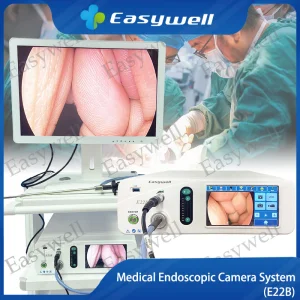
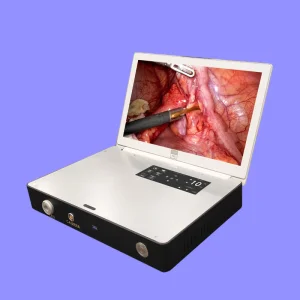
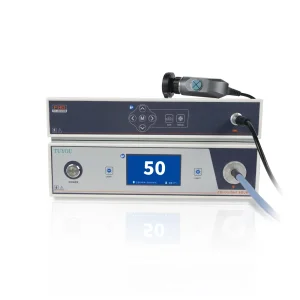
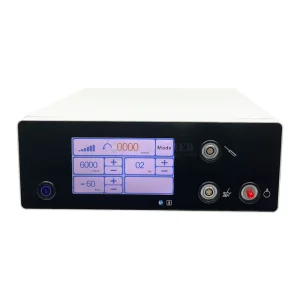
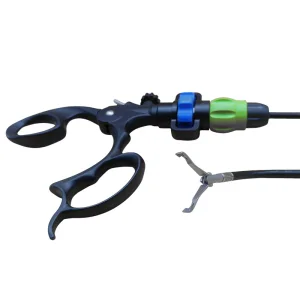
Direct-from-factory diagnostic, optical, mechanical and training configurations designed to optimize the procurement lifecycle of modern robotic surgical operations.
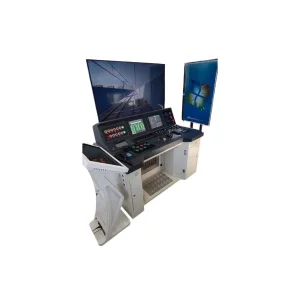
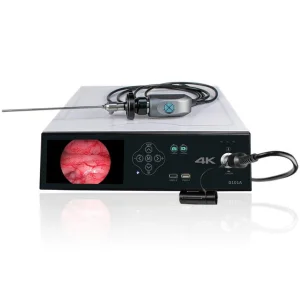

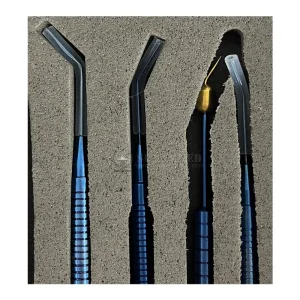

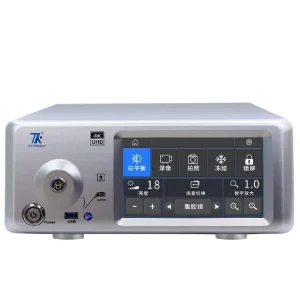
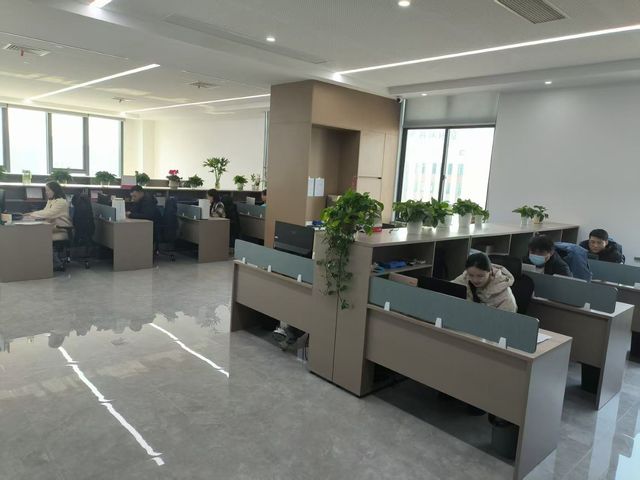
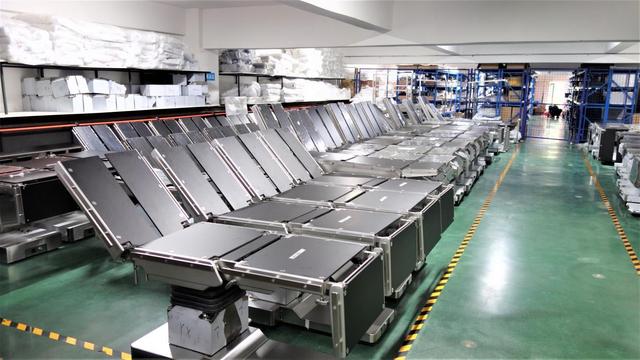
Dongguan TC MediGroup Co., Ltd. is a professional manufacturer specializing in surgical robot instruments and minimally invasive surgical solutions, serving advanced healthcare institutions worldwide. The company focuses on delivering high-precision, reliable, and innovative medical devices designed to support modern robotic-assisted surgeries and improve clinical outcomes.
TC MediGroup provides a comprehensive range of solutions, including robotic surgical instruments, minimally invasive surgical toolsets, endoscopic-compatible components, precision micro-surgical parts, and advanced operating system accessories. These products are engineered to enhance surgical accuracy, reduce patient trauma, and support faster recovery in complex medical procedures.
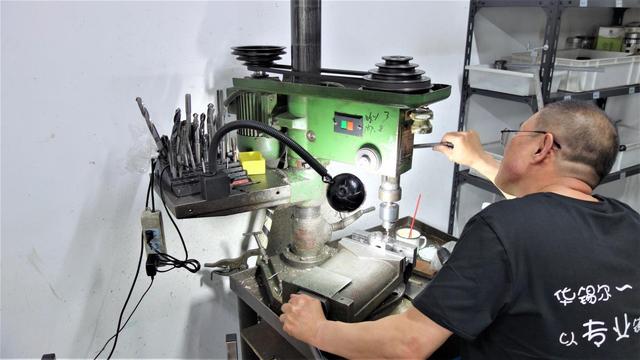
Backed by strong R&D capabilities and advanced manufacturing technology, Dongguan TC MediGroup integrates precision engineering, ergonomic design, and high-performance materials into every product. The company maintains strict quality control standards and complies with international medical regulations to ensure safety, durability, and consistent performance.
With a commitment to innovation and global healthcare advancement, TC MediGroup offers flexible OEM/ODM services tailored to diverse clinical requirements. Through continuous technological development and customer-focused solutions, the company aims to support hospitals and surgical centers worldwide in upgrading to next-generation robotic and minimally invasive surgical systems.
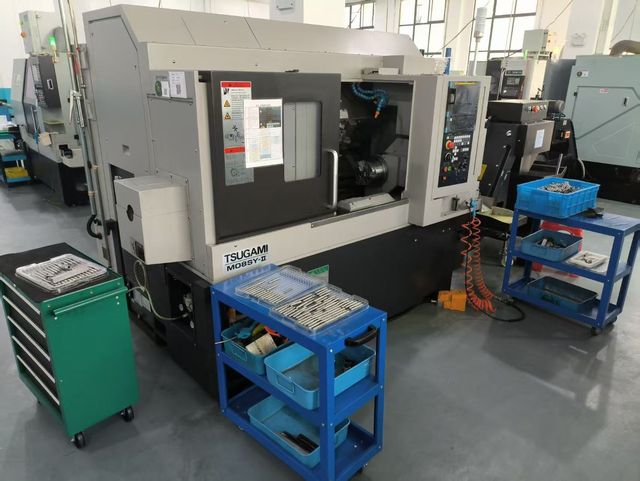
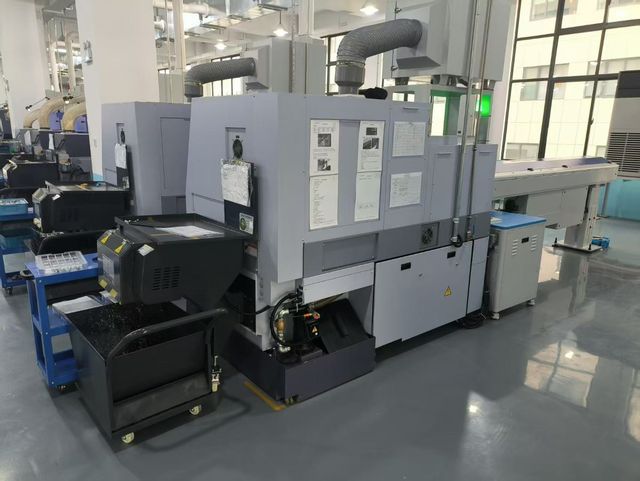
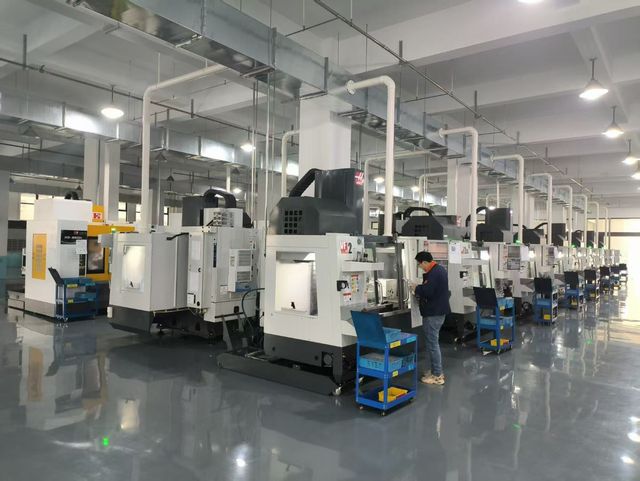
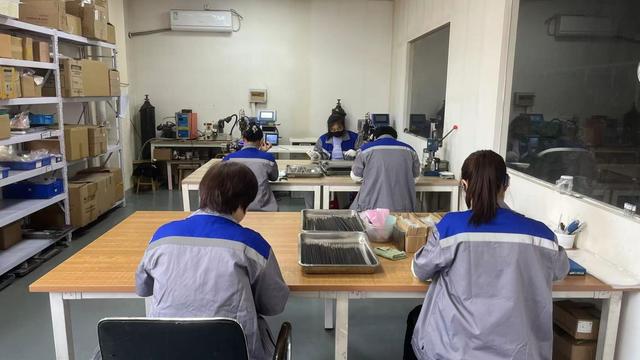

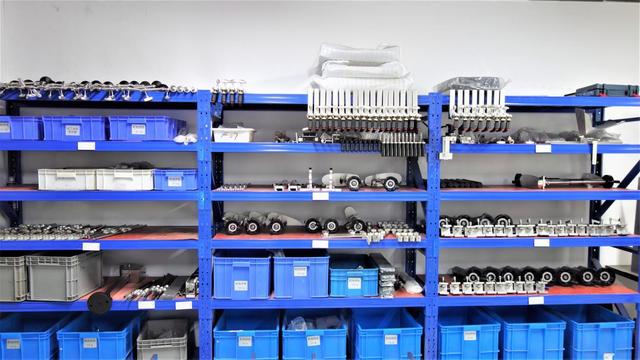

Our state-of-the-art ISO Class 7 and Class 8 cleanrooms guarantee sterile manufacturing and ultra-precise assembly for complex robotic micro-forceps, endoscopes, and laser optics.
The global market for Remote Surgical Systems, commonly known as Robotic-Assisted Surgery (RAS) platforms, is undergoing an unprecedented expansion. Once dominated by a singular market pioneer, the industry has transitioned into a highly competitive, multi-polar ecosystem. B2B medical buyers, clinical networks, and medical device distributors now actively seek high-efficiency supply networks centered in China to mitigate high capital expenditures and diversify supply chains.
According to current market intelligence, the global surgical robotics market is projected to surpass USD 18.4 Billion by 2030, registering a compound annual growth rate (CAGR) of over 14.8%. This growth is catalyzed by the convergence of telecommunication advancements, structural demographics, and the push for standardized minimally invasive surgery (MIS) to shorten hospital stays and reduce post-operative complications.
Modern remote surgical setups rely on complex, interdependent component streams. These include console interfaces, multi-degree-of-freedom master-slave manipulators, optical endoscopes with high-definition digital sensor pipelines, and high-frequency energy devices. B2B medical sourcing from China has evolved from providing low-cost components to delivering complete, regulatory-compliant subsystems. OEM/ODM partnerships with key manufacturers in regions such as Dongguan offer direct access to CNC-machined micro-titanium tools, advanced endoscope cameras, and multi-spectral optical lenses.
The engineering roadmap of Remote Surgical Systems is moving rapidly towards deeper integration of tactile feedback, high-speed edge computing, and AI-enabled computer vision. Manufacturers and B2B buyers must align their product acquisition strategies with these emerging paradigms:
Real-time tele-surgery requires communication latency to stay under the critical threshold of 100 milliseconds (including video capture, network transmission, and mechanical action). The integration of dedicated 5G slicing networks and edge processing allows a surgeon in a metropolitan facility to operate on a patient in a rural or regional hospital thousands of miles away. China's industrial base has taken the lead in testing these systems over ultra-long distances, supplying the specialized low-latency video processors and high-speed data transmission modules necessary to maintain operational stability.
One historical drawback of robotic-assisted surgery was the lack of tactile feedback. The surgeon could not "feel" tissue tension or resistance. The next generation of remote surgical systems incorporates high-fidelity force sensors built directly into the joint mechanisms of the robotic arms. This requires specialized micro-machined titanium components, sub-millimeter force sensors, and high-performance surgical instruments that can translate mechanical resistance back to the master console's haptic controllers.
Standard high-definition video is no longer the ceiling. Modern operating theaters demand real-time blood perfusion visualization using near-infrared (NIR) fluorescence imaging, such as Indocyanine Green (ICG) mapping. This requires dual-sensor optical paths and high-transmission AR-coated lenses (such as N-BK7 optical glass convex/concave lens series). These optical configurations project real-time structural data, highlight tumor boundaries, and display critical blood vessels directly onto the surgeon’s display console.
Understanding the targeted clinical application environments is vital for B2B procurement managers selecting manufacturers. Different healthcare models impose diverse stress parameters on remote surgical hardware:
The systematic evolution of surgical robotics from passive physical replication to semi-autonomous surgical execution.
Master-slave synchronization with basic hand-tremor filtration, multi-degree-of-freedom articulation (up to 7 degrees of freedom), and high-definition 3D stereoscopic vision. Fully mechanical controls with electronic signal relays.
Real-time computer vision identification of critical anatomical landmarks. AI-driven safety boundary mapping (preventing the surgeon from accidentally entering prohibited zones). Semi-automated suturing and camera tracking.
Complete simulation models generated in real-time from pre-operative MRI/CT scans. Predictive trajectory modeling for robotic arms, cloud-shared real-time collaborative operating networks, and machine learning models for surgical training assessment.
B2B procurement of remote surgical systems is not merely about acquiring individual robotic arms; it requires establishing a comprehensive clinical system solution. Complete integration encompasses:
1. Mechanical and Structural Hardware Integration: Combining high-rigidity patient-side cart gantries, specialized sterile drapes, and quick-release surgical instrument linkages that allow rapid exchange of robotic instruments (graspers, scissors, staplers, energy tools) during active procedures.
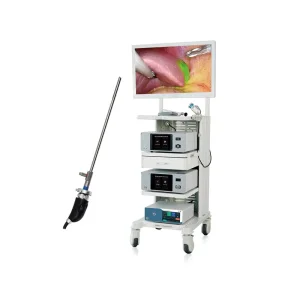
2. Imaging and Vision Integration: Integrating the endoscopic camera system (FHD/4K) with cold light illumination (high-intensity LED/Xenon) and transmitting the feed to both the surgeon's 3D console and the secondary operating room monitors. This requires precision optical transmission and optical lenses designed to minimize chromatic aberration.
3. Pneumatic and Fluid Control Systems: Maintaining intra-abdominal space during laparoscopic procedures requires constant-pressure, high-flow gas insufflation. High-capacity CO2 laparoscopic insufflators must work in synchronization with smoke evacuation systems to ensure clear visibility throughout the procedure.
Critical answers for global procurement directors, medical distributors, and OEM system integrators.
Explore additional surgical modules, high-frequency energy instruments, and fluid control accessories from our production facility.
 TC MediGroup