Robotic surgery has revolutionized the way surgical procedures are performed in hospitals. It merges advanced technology with surgical precision. Understanding how does robotic surgery work in hospitals is essential for both patients and medical professionals. This innovative technique utilizes robotic systems to assist surgeons, enabling enhanced control during operations.
A robotic surgical system consists of a console, robotic arms, and high-definition cameras. Surgeons operate the console, which translates their movements into precise actions by the robotic arms. This allows for greater dexterity and access to hard-to-reach areas. The minimally invasive nature often results in smaller incisions, reduced blood loss, and quicker recovery times.
However, there are challenges to consider. Not all procedures are suitable for robotic assistance, and the technology can be costly. Surgical teams require extensive training to ensure effective use of these systems. As hospitals continue to adopt this technology, understanding the potential benefits and limitations becomes increasingly vital for patient care.
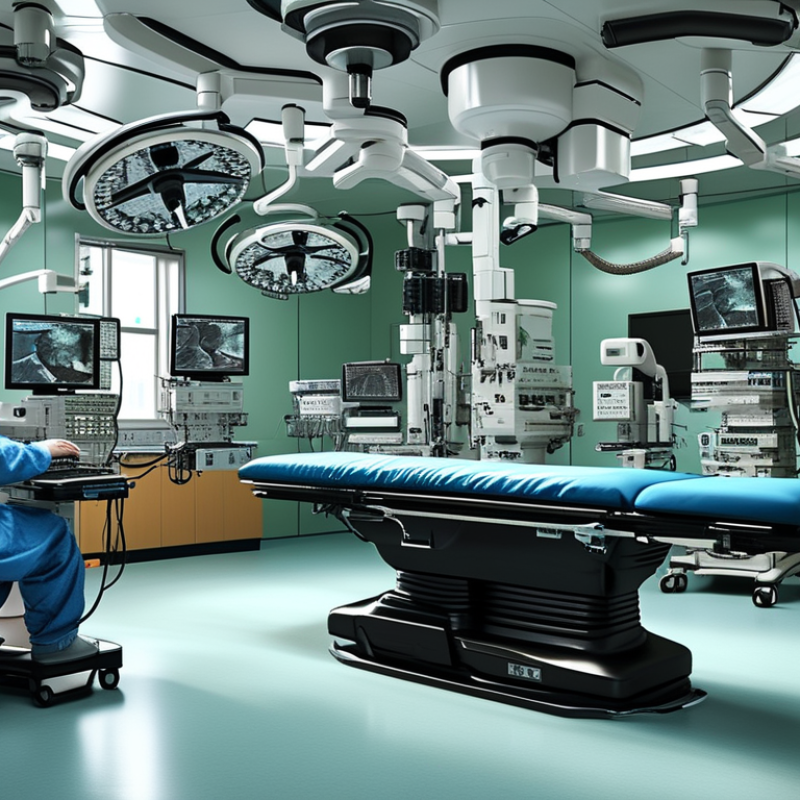
Robotic surgery has transformed the landscape of medical procedures in hospitals. The technology relies on advanced systems that provide precision and control. Surgeons use these robotic systems to perform complex surgeries with minimal invasiveness. According to a report by the American Hospital Association, approximately 80% of hospitals in the U.S. have adopted robotic surgical systems as of 2022. This shows the growing trust in robotic technologies within the surgical community.
The most notable advantage is the reduction in recovery time. Studies indicate that patients experience less pain and shorter hospital stays. However, some reports highlight challenges in training staff effectively on these systems. Operating a robot is not intuitive for all surgeons. The surgical learning curve can be steep, prompting the need for ongoing training and practice. It is essential to ensure that surgeons are well-equipped to leverage these technologies.
Additionally, while robotic surgeries generally have high success rates, complications can arise. A 2021 analysis noted that the complication rate for robotic-assisted surgeries can be as high as 9% in certain procedures. This data highlights the need for careful patient selection and thorough pre-operative assessments. The adoption of these technologies is a journey, requiring continual evaluation and adaptation within hospital settings.
Robotic surgery systems are reshaping modern healthcare. These systems consist of several key components, including robotic arms, a camera, and a control console. The robotic arms perform precise movements, which enhances the surgeon's capability during operations. The high-definition camera provides an expansive view of the surgical site, allowing for nuanced visualization. The control console serves as the interface for the surgeon, blending advanced technology with hands-on expertise.
Tips: Surgeons must undergo extensive training to master robotic systems. Understanding the technology deeply can significantly improve patient outcomes. Regular simulations can be beneficial for honing skills.
Alongside these components, feedback systems are also crucial. They help analyze robot performance and ensure safety during surgery. It's vital to recognize that while robotic surgery can reduce recovery time, it's not suitable for all patients. Surgeries might still carry risks. Each case needs careful review.
Understanding these elements enables better decision-making. When considering robotic surgery, patients should engage in thorough discussions with their healthcare professionals. Open dialogue can lead to more personalized care. Regular assessments can help bridge any gaps in understanding how these sophisticated systems operate in real life.
| Component | Description | Functionality |
|---|---|---|
| Surgical Robot | A machine that assists surgeons in performing complex procedures with precision. | Enhances dexterity and provides 3D visualization. |
| Console | The control center from which the surgeon operates the robot. | Allows for intuitive control of robotic instruments. |
| Endoscopic Cameras | Cameras that provide a live video feed of the surgical area. | Offers high-definition images for better visualization. |
| Robotic Arms | Mechanical arms that hold and manipulate surgical instruments. | Provides stability and precision during surgery. |
| Instruments | Specialized tools designed for robotic surgery. | Facilitates a range of procedures with enhanced functionality. |
| Software | Programs that control the robot and assist in surgical planning. | Ensures accuracy and efficiency in surgical operations. |
Robotic surgery represents a significant advance in the field of medicine. This process involves a surgical robot that a skilled surgeon controls. It enhances precision and reduces recovery time. Surgeons use a console to maneuver instruments through small incisions. This minimally invasive technique is often preferred for various procedures, such as prostatectomies and heart surgeries.
During the surgery, real-time 3D visuals help the surgeon navigate the intricate anatomy. The robotic arms can twist and turn in ways that are impossible for human hands. However, it is crucial to note that complications can still arise. Surgeons must practice extensively to gain proficiency. Training is vital to ensure safety and effectiveness during robotic procedures.
Tips: If you are considering robotic surgery, consult with your healthcare provider. Ask about their experience with this technique. Also, understand the potential risks involved. Discuss your concerns openly. It’s essential to feel comfortable with your surgical team. Recovery times can vary, so be open about your needs during recovery.
Robotic surgery offers numerous benefits that can enhance patient outcomes. Surgeons have greater precision and control using robotic systems. These tools allow for smaller incisions, which can lead to faster recovery times. Patients often experience less pain and minimal scarring. As a result, the overall hospital stay may be shorter. Many hospitals report improved surgical results and reduced complication rates.
However, there are challenges to consider. The cost of robotic systems can be high. This may limit access for some facilities, especially smaller hospitals. Training for surgeons is essential and can take time. Not every procedure is suitable for robotic assistance, which adds complexity to decision-making. Additionally, reliance on technology can raise questions about the role of human skill in surgery. Balancing these factors is crucial for the advancement of robotic surgery in medical practice.
Robotic surgery is evolving rapidly in hospitals. Surgeons use advanced robotic systems to enhance precision. These machines offer improved visualization and dexterity. Surgeons can perform intricate procedures with greater control. However, this technology requires careful implementation and training. Not all hospitals are equipped for such systems.
Future trends indicate widespread adoption of robotic systems. Many hospitals are investing in training programs. They aim to ensure that staff can operate robotic equipment effectively. Remote surgery is a possibility too. Surgeons may perform operations from different locations. This could increase access to specialized care.
Despite these advancements, challenges remain. High initial costs can deter hospitals from adopting this technology. There are also concerns about potential over-reliance on machines. Human intuition and experience are essential in surgery. As robotic technology continues to improve, hospitals must balance innovation with patient safety. This will shape the future of surgical practices.
: Robotic surgery offers precision, control, and smaller incisions. Patients experience faster recovery and less pain.
About 80% of hospitals in the U.S. adopted robotic surgical systems by 2022. The trend is growing.
Training for robotic systems can be difficult. Not every surgeon finds it intuitive. The learning curve is steep.
Yes, complications can occur. Reports indicate rates can reach 9% in certain robotic-assisted surgeries.
Patients often have shorter hospital stays due to less invasive procedures. Recovery time improves with robotic assistance.
Robotic systems can be costly, potentially limiting access for smaller hospitals. This creates financial challenges for adoption.
Not every procedure benefits from robotic techniques. Evaluating the suitability requires careful consideration of each case.
There are concerns about dependency on technology. The balance between robotic assistance and human skill is important.
Continuous training and evaluation are needed. Surgeons must adapt and stay updated on new technologies and techniques.
While many report improved outcomes, results can vary. Each case requires thorough assessment and tailored approaches.
Robotic surgery has transformed medical practices by introducing advanced technologies that enhance surgical precision and patient outcomes. Understanding how robotic surgery works in hospitals involves examining the key components of robotic systems, which typically include robotic arms, visualization tools, and a control console operated by the surgeon. The surgical process itself requires careful planning, where the surgeon remotely controls the robotic instruments to perform intricate procedures with minimal invasiveness.
Despite its benefits, such as reduced recovery times and less postoperative pain, robotic surgery also presents challenges, including high costs and the need for specialized training. As hospitals continue to adopt these innovative systems, future trends suggest an increase in the integration of artificial intelligence and improved robotic functionalities, paving the way for more efficient and effective surgical practices in the coming years.
TC MediGroup