In recent years, the field of minimally invasive procedures has experienced significant advancements. Surgeons and medical professionals constantly seek strategies on how to improve precision in minimally invasive procedures. This precision is crucial for enhancing patient outcomes, reducing recovery times, and minimizing complications.
Modern technologies such as robotics, imaging systems, and novel instruments have transformed surgical practices. These innovations offer higher accuracy and greater control during operations. Enhanced visualization techniques can significantly help surgeons navigate delicate anatomical structures with precision. However, challenges remain in achieving uniformity across different procedures and surgical teams.
Training and experience are essential components in achieving precision. Continuous education ensures that medical professionals stay updated with the latest techniques. They must develop practical skills in a real-world setting, which sometimes includes making mistakes and learning from them. Reflecting on these experiences can lead to better practices. As the medical community weighs these factors, the quest for precision continues to evolve.
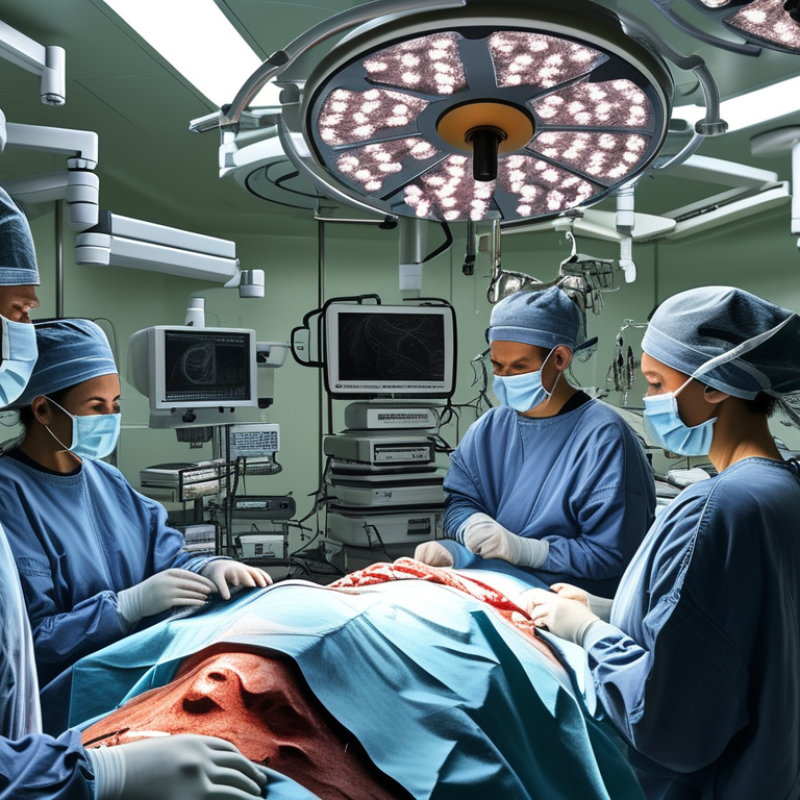
Minimally invasive procedures have transformed modern medicine. Technological advancements drive these changes, enhancing precision and patient outcomes. Tools like robotic systems improve surgical accuracy and reduce recovery times. Surgeons can operate with greater visibility and control, thanks to high-definition imaging technologies.
The use of artificial intelligence in these procedures is growing rapidly. AI algorithms analyze vast amounts of data. They help predict complications and guide surgical decisions. However, reliance on technology raises questions. Can machines match human intuition? It's crucial to maintain a balance between technology and the surgeon's expertise.
Training and education play vital roles in this evolution. Surgeons must adapt to new tools and techniques. Simulators and virtual reality can enhance learning experiences. Yet, overreliance on simulation may create gaps in real-world skills. Continual reflection on clinical outcomes is essential. Each advancement offers great potential but also requires careful consideration.
In minimally invasive procedures, precision is crucial for optimal outcomes. Imaging technologies play a vital role in achieving this precision. Advanced imaging systems, such as MRI and CT scans, provide real-time visuals that guide surgeons during complex operations. According to recent studies, accurate imaging can enhance surgical outcomes by up to 30%. This improvement significantly reduces complications and recovery times.
Tips for enhancing precision: Utilize 3D imaging when available. This technique offers deeper insights into anatomical structures. It empowers surgeons to visualize the exact location of tissues and organs. Effective communication between the imaging team and surgeons is also essential. Regularly updating procedures based on new imaging capabilities can bridge gaps in patient care.
Despite advancements, challenges remain. Some imaging technologies can be costly and require extensive training. Misinterpretations of images can still occur. Surgeons must remain vigilant and verify findings with additional data when necessary. Continuous professional development is vital in navigating these complexities in the operating room. The goal is to leverage technology to improve patient safety and outcomes.
In minimally invasive procedures, effective training for surgeons is crucial. Surgeons must develop technical skills and hand-eye coordination. Simulated environments can enhance practice. Using virtual reality systems allows for safer training. These systems mimic real-life scenarios without risk to patients. Surgeons can hone their skills in a controlled setting.
Peer feedback is essential during training. Surgeons should engage in realistic drills and peer reviews. This collaboration encourages a culture of learning. Learning from mistakes is vital. Reflecting on past performances can lead to better outcomes. Regular training sessions help maintain and improve skills over time.
Continual education is important. Surgeons must stay updated with new techniques. Participating in workshops and conferences aids in this. Knowledge sharing enriches the surgical community. As they learn, surgeons can apply new strategies to enhance patient care. The challenge remains in balancing innovation and practical application. Embracing these complexities can lead to better precision in surgeries.
This bar chart illustrates the effectiveness of different training methods aimed at enhancing precision in minimally invasive procedures. Each method is rated on a scale from 1 to 10, where higher scores indicate greater effectiveness in improving surgical skills.
Patient selection is crucial for minimally invasive procedures. Not every patient is a suitable candidate. Factors like age, medical history, and overall health significantly influence the decision. For instance, patients with chronic conditions may require thorough evaluations. Healthcare professionals must assess risks versus benefits carefully. An ideal candidate usually presents fewer complications.
Preparation is equally important. Proper imaging and diagnostics can ensure that clinicians understand the procedure's risks clearly. Educating patients about what to expect aids in emotional readiness. Clear communication helps alleviate anxiety. Still, it’s vital to address potential issues that might arise during the procedure. Every patient is unique, and what works for one may not work for another.
Reflection on past cases can help refine the selection process for better outcomes.
Post-operative monitoring is crucial in minimally invasive procedures. It allows for early detection of complications. A recent industry report highlighted that approximately 20% of patients experience complications after such surgeries. Continuous monitoring can reduce this figure significantly. Technologies like wearable devices provide real-time data on vital signs, enhancing patient safety.
Precision assessment techniques are equally vital. They utilize algorithms and imaging technologies for detailed insights. A study indicated that imaging can enhance surgical precision by up to 30%. This improvement can lead to better patient outcomes. However, reliance on technology poses risks. Algorithms can misinterpret data, potentially leading to incorrect decisions. Ensuring that healthcare professionals are skilled in interpreting results is essential.
Moreover, it's vital to incorporate feedback from patients during recovery. Understanding pain levels and functional capabilities can provide insights into surgical effectiveness. Open communication can reveal if postoperative care is adequate or if adjustments are needed. Gathering patient feedback on their experience may uncover areas for improvement in surgical techniques.
: Patient selection involves age, medical history, and overall health. Chronic conditions require thorough evaluations.
Proper imaging and diagnostics help clinicians understand the risks. Educating patients eases anxiety and promotes emotional readiness.
It enables early detection of complications, potentially reducing the complication rate significantly.
Wearable devices provide real-time data on vital signs, enhancing safety and recovery.
They improve surgical precision through algorithms and imaging technologies, potentially enhancing outcomes.
Algorithms may misinterpret data, leading to incorrect decisions. Professionals must interpret results skillfully.
Gathering insights on pain and recovery can highlight areas needing adjustment or improvement post-surgery.
It helps address concerns and prepares patients for the procedure, lowering anxiety levels.
Approximately 20% of patients may experience complications post-surgery, highlighting the need for effective monitoring.
Assessing previous outcomes can refine the selection process, leading to better candidate identification.
In the pursuit of understanding how to improve precision in minimally invasive procedures, several key factors emerge. Technological advancements play a crucial role, providing innovative tools and techniques that enhance surgical accuracy and efficiency. Imaging technologies are particularly significant, as they offer real-time visualization, allowing surgeons to navigate complex anatomies with greater confidence.
Moreover, proper training and skill development for surgeons are imperative, ensuring they are adept at using these advanced tools. Patient selection and preparation also contribute to the outcomes, as carefully identifying suitable candidates can enhance procedural success. Finally, post-operative monitoring and precision assessment techniques are essential for evaluating the effectiveness of the procedures, allowing for continuous improvement in surgical practices. Together, these elements form a comprehensive approach to advancing precision in the field of minimally invasive surgery.

TC MediGroup