In modern surgery, precision is paramount. Surgeons increasingly rely on robotic instruments to enhance their capabilities. This brings up an important question: how do surgeons control robotic instruments? Understanding this process reveals the intersection of technology and human skill.
Robotic systems often include advanced sensors and user-friendly interfaces. Surgeons utilize hand controllers to manipulate the instruments with exquisite precision. Feedback mechanisms provide real-time data, allowing for immediate adjustments. This technology helps reduce errors during intricate procedures. However, relying on robotic systems also presents new challenges. It demands continuous training and adaptation from surgical teams.
Surgeons must embrace both the benefits and limitations of robotic tools. Mastery requires a balance between technological reliance and personal expertise. As the field evolves, ongoing education and practice remain crucial. In exploring the best methods for controlling these instruments, we uncover the dynamic relationship between healthcare and innovation.
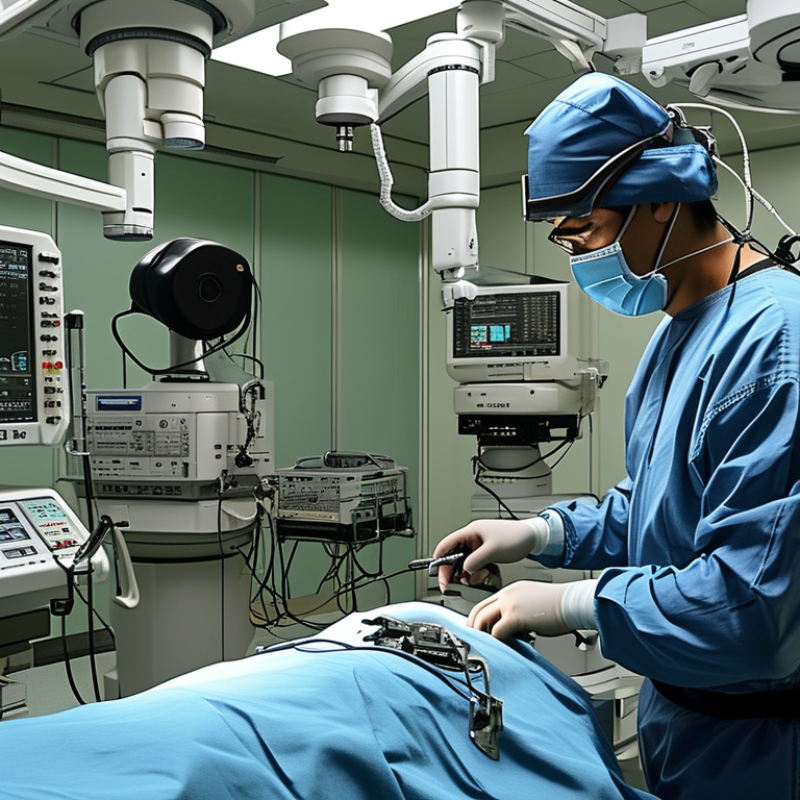
Surgeon's Insight: The Role of Skill in Robot-Assisted Surgery
Robotic-assisted surgery is transforming the medical field. However, the surgeon's skill remains vital. The precision of robotic instruments enhances surgical capabilities. Yet, without a skilled surgeon, outcomes may falter. The technology is powerful, but human expertise drives its success.
Surgeons often undergo extensive training in robotic techniques. Familiarity with the instruments allows them to control movements with great accuracy. Experience matters, as each procedure presents unique challenges. Despite the technology's assistance, surgeons must be adaptable. A robotic system can assist, but it cannot replace decision-making.
Surgeons should continuously refine their skills. Regular practice with robotic instruments helps build confidence. Engaging in workshops can also enhance proficiency. Analyzing past surgeries can reveal areas for improvement. Recognizing limitations is crucial. Acknowledging when a traditional approach is needed can save time and improve safety.
Considering these factors is essential for optimal results. The partnership between surgeon and robot must be harmonious. Skillful navigation of technology and patient care is paramount. Ultimately, this balance leads to better surgical outcomes. Balancing high-tech tools and hands-on expertise is the key to succeeding in robotic surgery.
Understanding the Interface: How Surgeons Command Robotic Tools
Surgeons today rely heavily on robotic instruments to enhance precision and reduce recovery times for patients. The interface between the surgeon and the robot is crucial. This advanced technology transforms hand movements into precise robotic actions. Surgeons use a console to control the instruments, often with foot pedals for adjustments. This allows for a greater range of motion and stability during delicate procedures.
Training is vital for mastering these robotic systems. Surgeons must spend hours practicing in simulation environments before operating on actual patients. Feedback from these simulations is essential. It helps them understand the nuances of the robotic interface and fine-tune their skills. Despite rigorous training, there can be challenges. Surgeons sometimes struggle with the robot's feedback, feeling detached from the operation. Such issues can lead to a need for ongoing assessment and innovation in the interface design.
Communication is another key element. Surgeons work closely with their teams during procedures. Often, they discuss strategies in real-time, highlighting any difficulties they encounter with the robotic commands. This collaboration can uncover new techniques and solutions. As robotic surgery continues to evolve, understanding and refining this interface will remain a priority.
Real-time Feedback Systems in Robotic Surgery Operations
Real-time feedback systems are critical in robotic surgery. These systems give surgeons immediate insights into their instrument's actions. Surgeons rely on visual cues and tactile feedback to guide their precise movements. The integration of these systems leads to improved accuracy during complex procedures. Surgeons can react quickly to any changes, enhancing patient safety.
Developing effective feedback mechanisms is challenging. Surgeons must interpret data quickly. Sometimes, the feedback may lack granularity, making decision-making difficult. Balancing technology with human intuition remains a key area for improvement. Surgeons are trained to trust their instincts. They also need to rely on data, which can create tension in high-stakes environments.
Despite the difficulties, real-time feedback is evolving. Researchers are exploring ways to refine this technology. New sensors aim to provide better tactile feedback. Improved algorithms can analyze data more effectively. As these systems advance, they promise to elevate surgical precision. This ongoing evolution illustrates the dynamic nature of robotic surgery.
Training Protocols for Surgeons in Robotic Instrument Mastery
Training surgeons in robotic instrument mastery involves structured and hands-on approaches. Simulation-based training is vital. It allows surgeons to practice in a risk-free environment. Using realistic scenarios, they can refine their skills before interacting with actual patients. This practice helps them develop muscle memory and precision.
Mentorship programs play a crucial role. Experienced surgeons provide guidance and share insights. They can demonstrate advanced techniques and offer real-time feedback. This relationship fosters a culture of continuous learning, which is essential in surgical fields. Yet, mentorship can present challenges. Not every surgeon may have access to a mentor.
Assessment methods are critical in evaluating proficiency. Regular evaluations can identify areas needing improvement. It's worth noting that even skilled surgeons must adapt to new technologies. The learning curve can be steep, and some may struggle initially. Constructive feedback becomes essential in overcoming these hurdles. Training protocols should be dynamic, evolving with technology advancements.
5 Best Ways Surgeons Control Robotic Instruments
| Method |
Description |
Training Importance |
Skill Level Required |
| Simulator Training |
Using virtual simulators to practice techniques. |
Essential for understanding instrument manipulation. |
Beginner to Advanced |
| Live Surgical Observation |
Watching experienced surgeons operate with robots. |
Crucial for real-world insights and techniques. |
Intermediate to Advanced |
| Hands-on Practice |
Practicing on actual robotic systems under supervision. |
Vital for developing muscle memory and confidence. |
Intermediate |
| Peer-to-Peer Feedback |
Receiving constructive criticism from colleagues. |
Enhances learning and improves techniques. |
All Levels |
| Continuing Education Courses |
Formal training programs focusing on robotic surgery. |
Keeps skills updated with new technologies and methods. |
All Levels |
Ergonomics and Precision: Enhancing Control During Procedures
The integration of robotic instruments in surgery has transformed the landscape of medical procedures. Surgeons now leverage advanced ergonomics and precision technology to enhance control during operations. According to a study published in the Journal of Robotic Surgery, over 70% of surgeons report improved dexterity when using robotic systems. This heightened control allows for more intricate movements, resulting in minimally invasive procedures with reduced recovery times.
In the realm of instrument control, the ergonomics of robotic systems play a critical role. Surgeons benefit from user-friendly interfaces and adjustable controls. A report from the American Surgical Association highlights that ergonomic designs can reduce surgeon fatigue by approximately 30%. This capability is vital for lengthy procedures, where maintaining focus and precision is essential.
However, reliance on robotic systems raises questions about the balance between technology and human skill. Some surgeons feel that their tactile feedback is diminished, which could lead to a loss of critical dexterity. Continuous training and skill refinement remain essential. The surgical field is navigating the challenges posed by these advanced instruments, working to ensure that technology enhances rather than replaces the human element of surgery.
Conclusion
In the realm of robot-assisted surgery, understanding how do surgeons control robotic instruments is crucial for successful outcomes. Surgeons rely heavily on their skills, as their proficiency directly influences the effectiveness of the robotic tools. Mastery over these instruments involves not just technical knowledge but also an intimate understanding of the interface that allows them to command robotic systems seamlessly.
Real-time feedback systems play a significant role in enhancing surgical precision, providing immediate data that aids in decision-making during operations. Comprehensive training protocols are essential for surgeons to develop and refine their techniques with robotic instruments, ensuring that they can operate with confidence and accuracy. Additionally, ergonomics is a key factor, as a well-designed workspace can enhance control and precision during intricate procedures, ultimately leading to improved patient outcomes.

 TC MediGroup